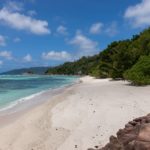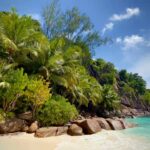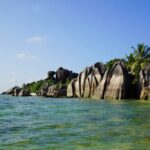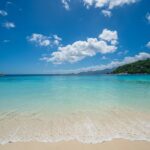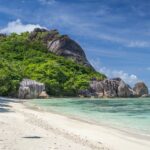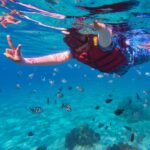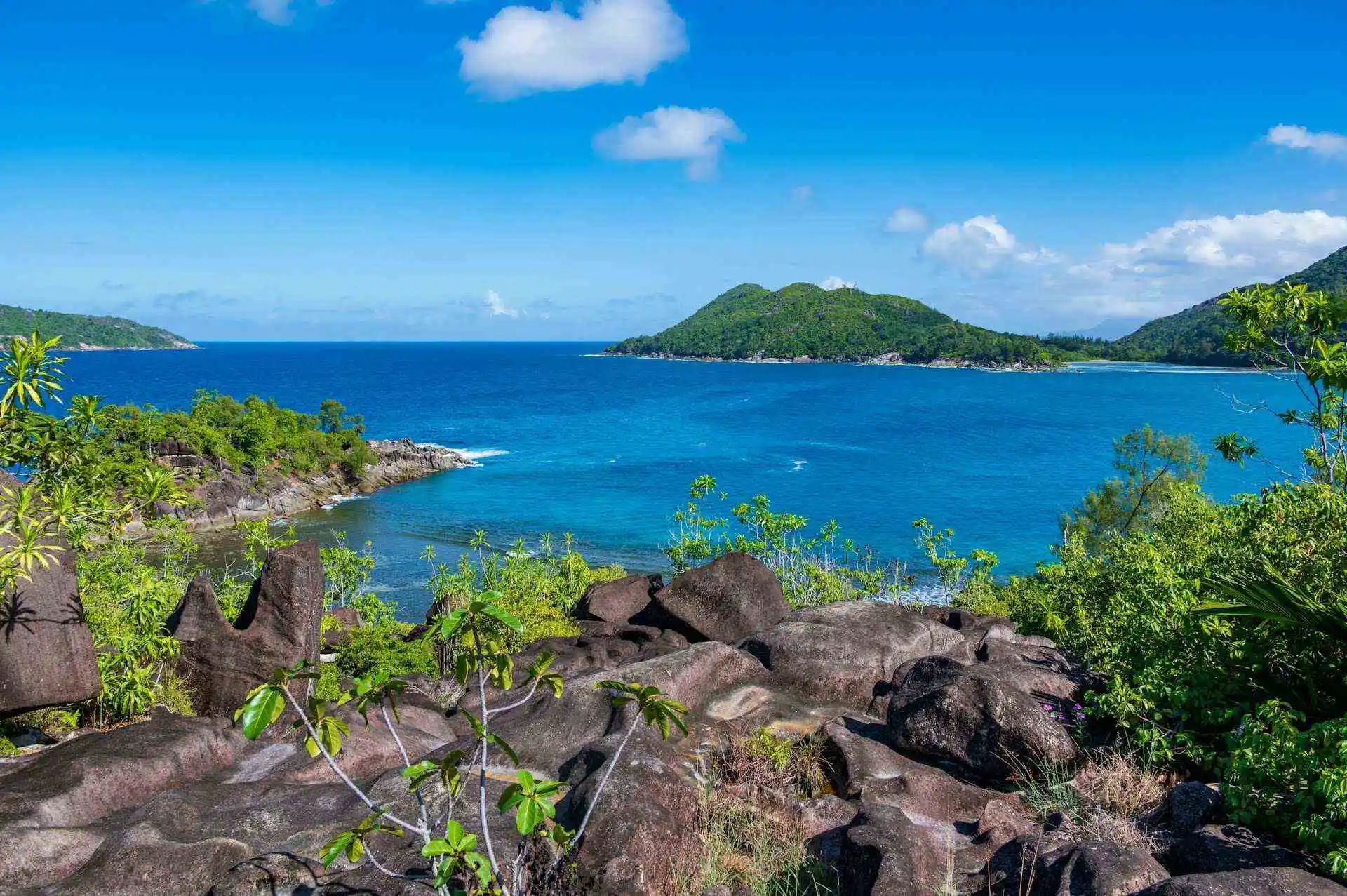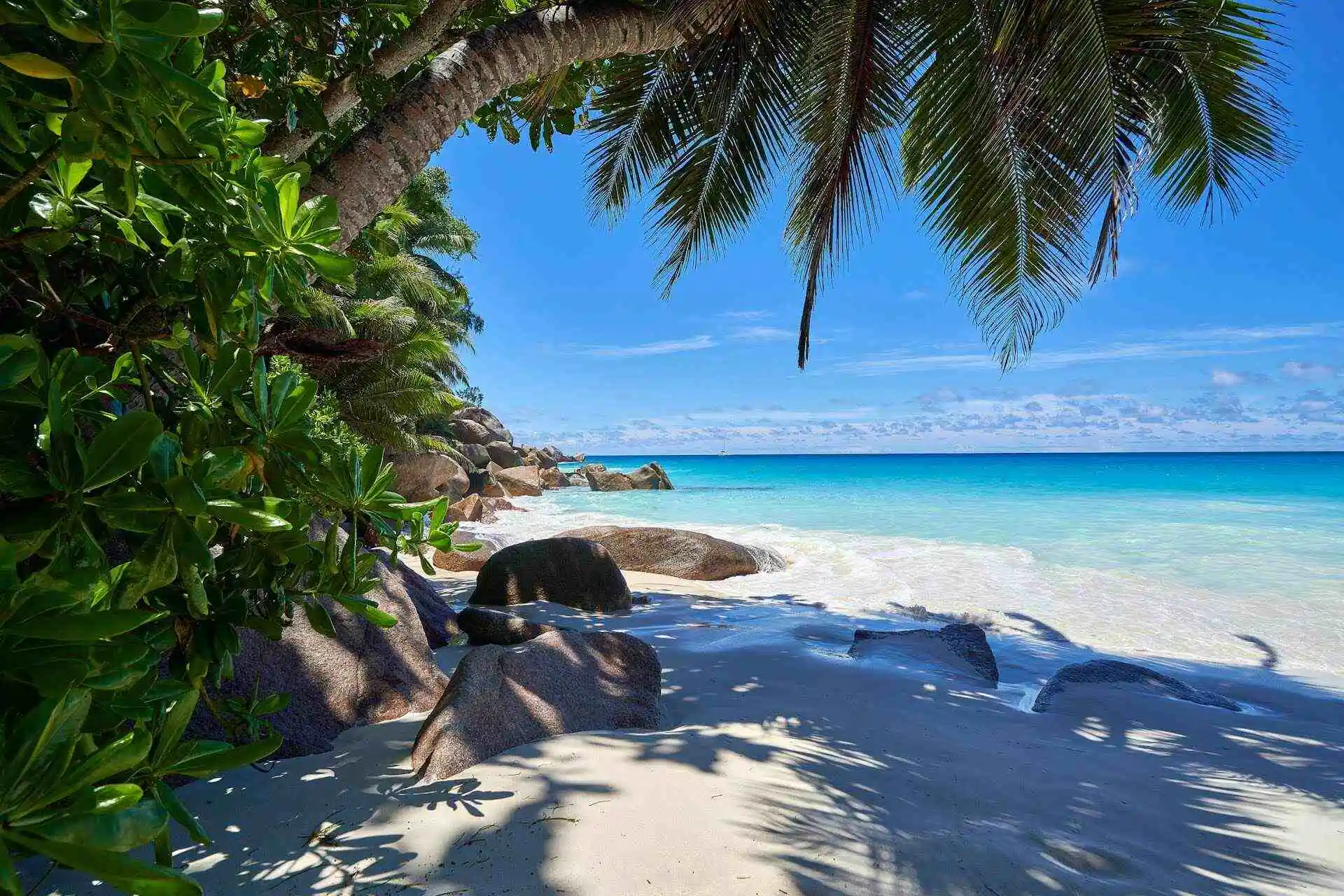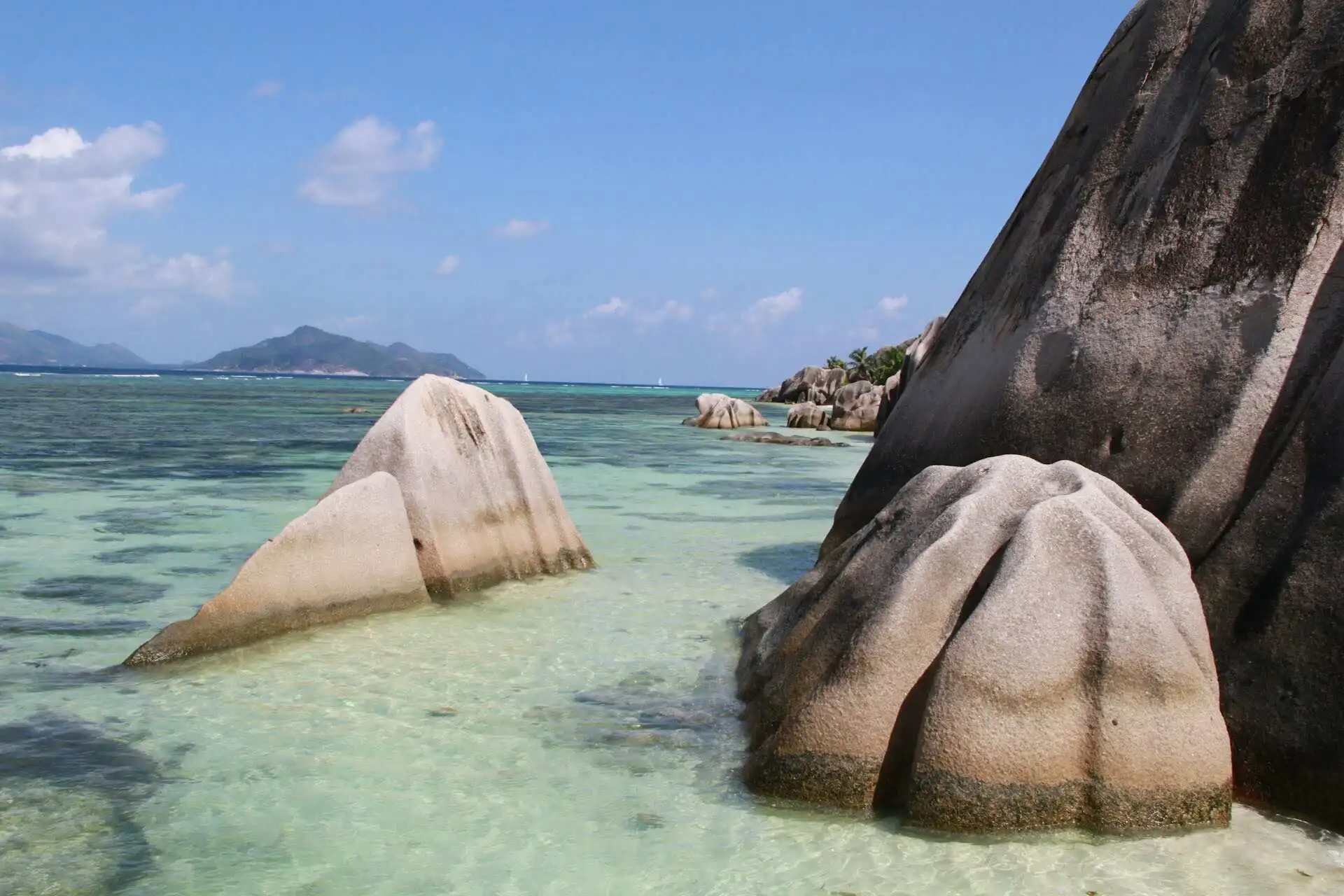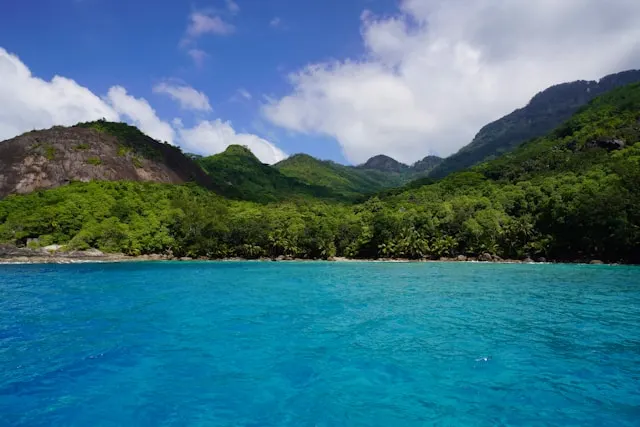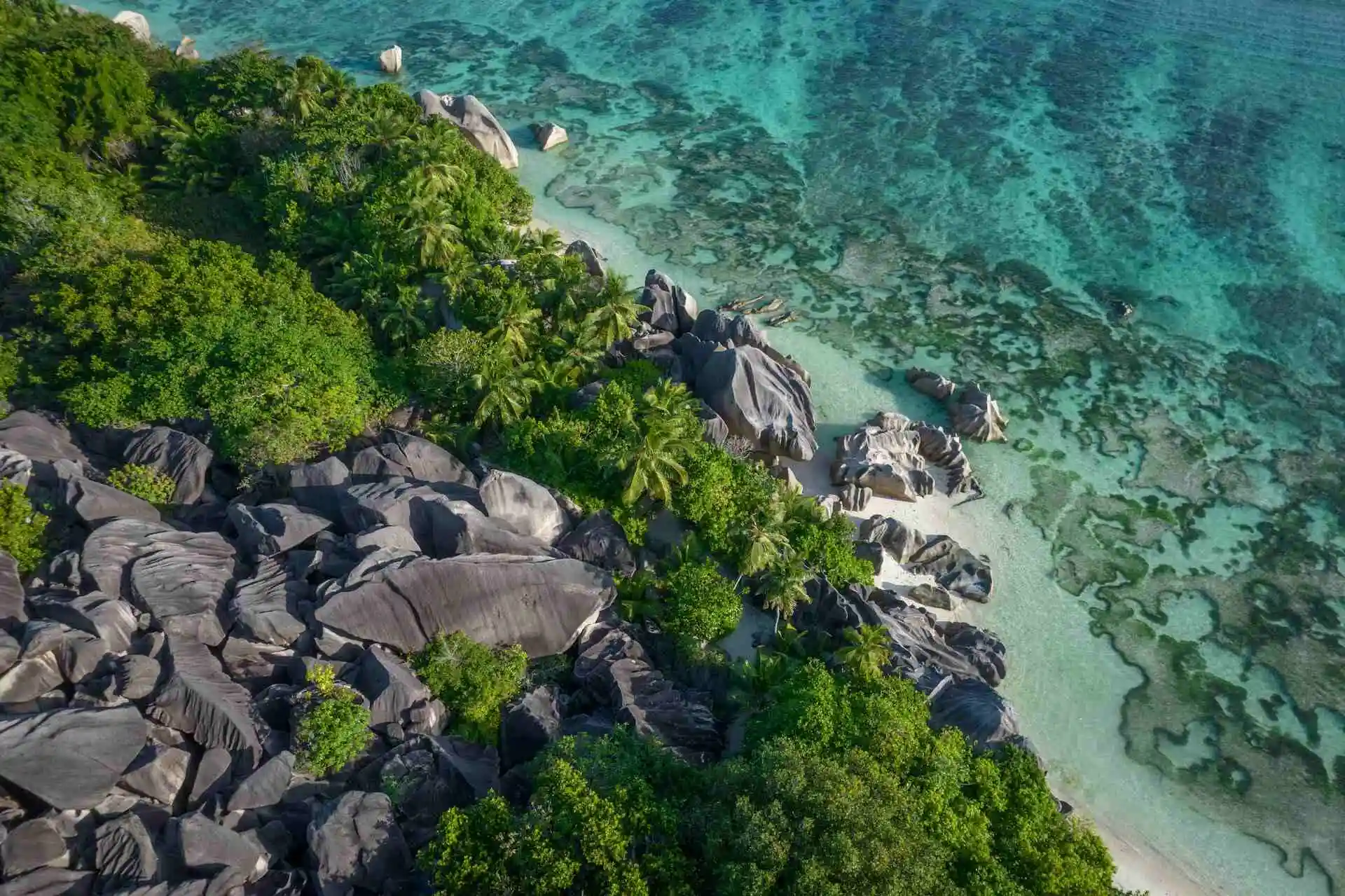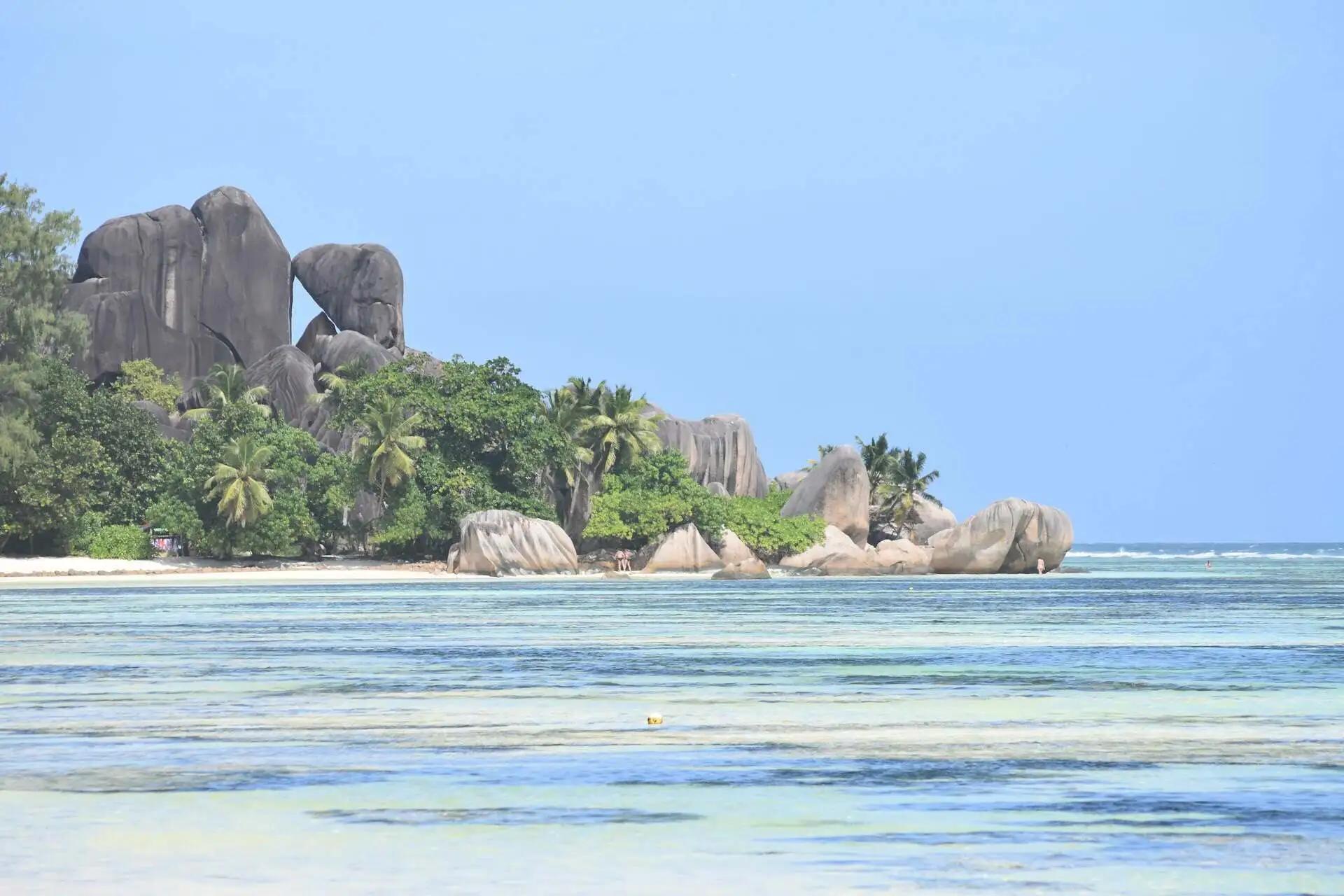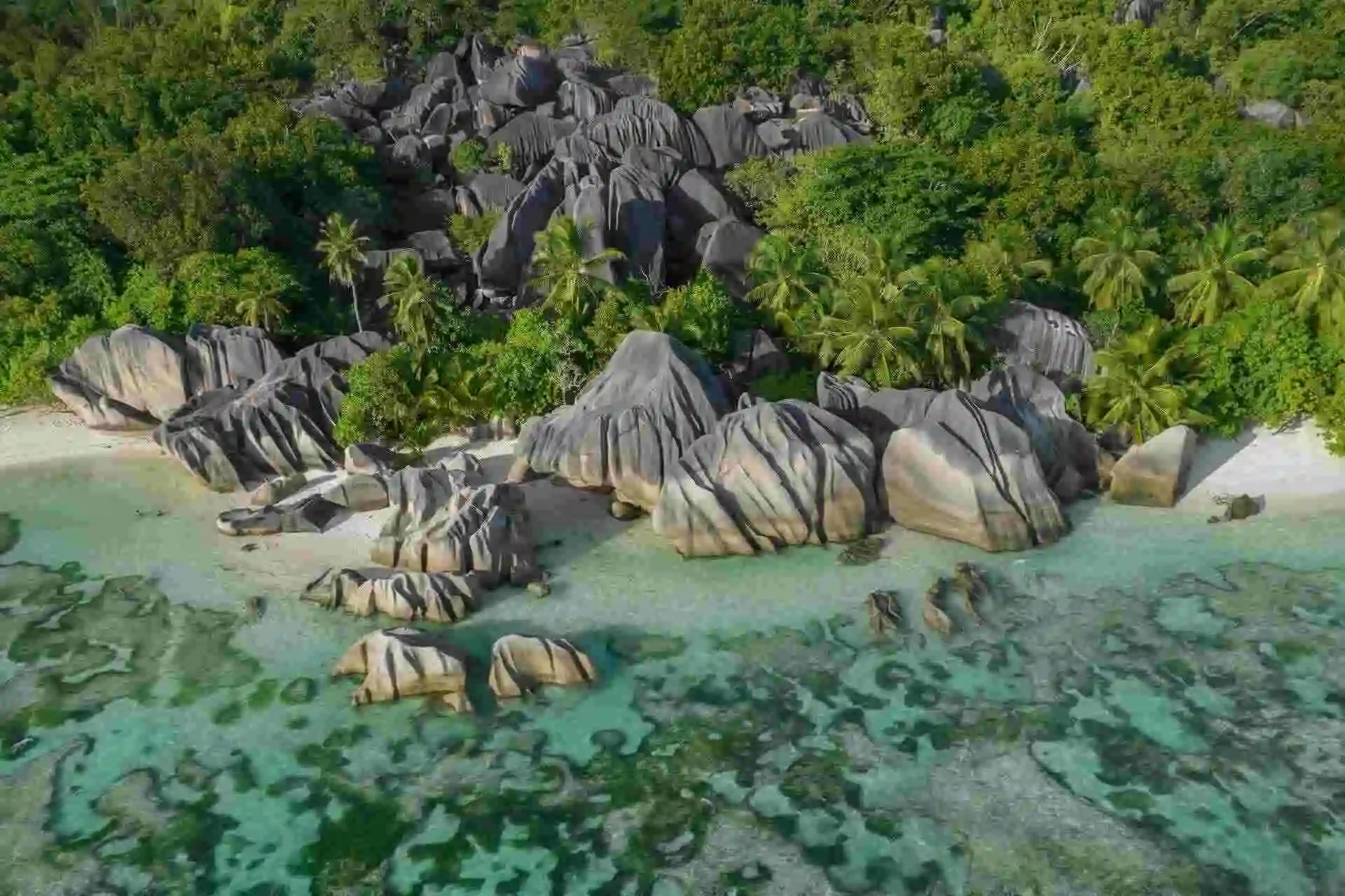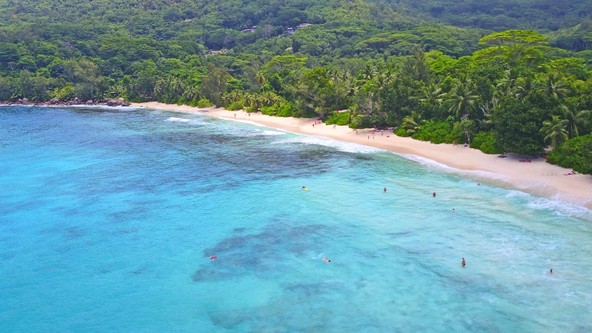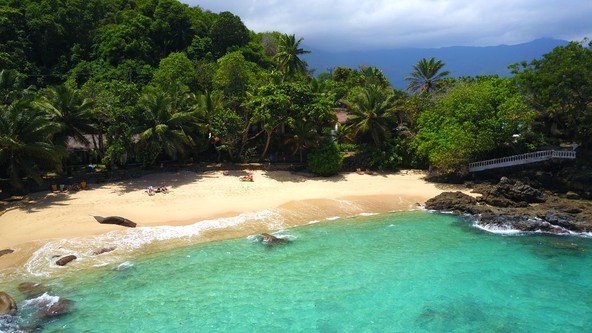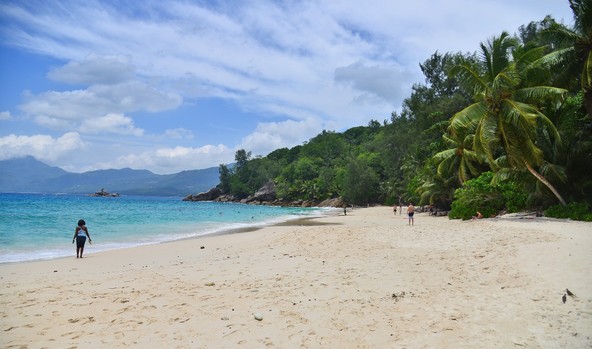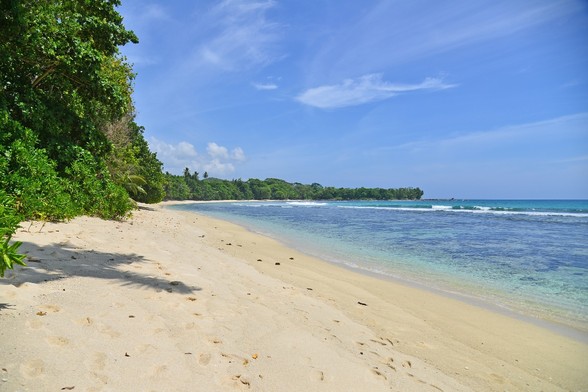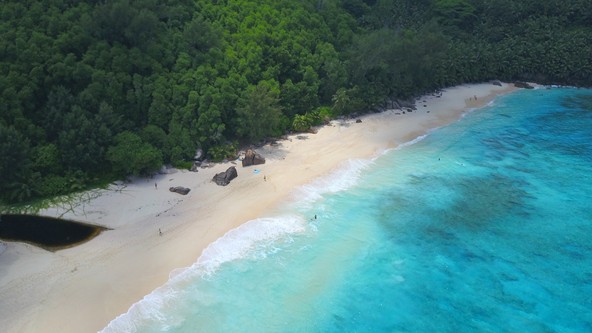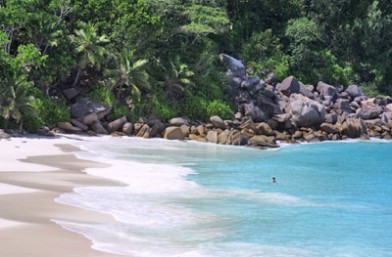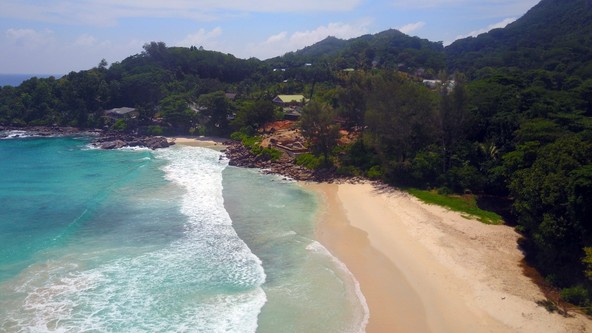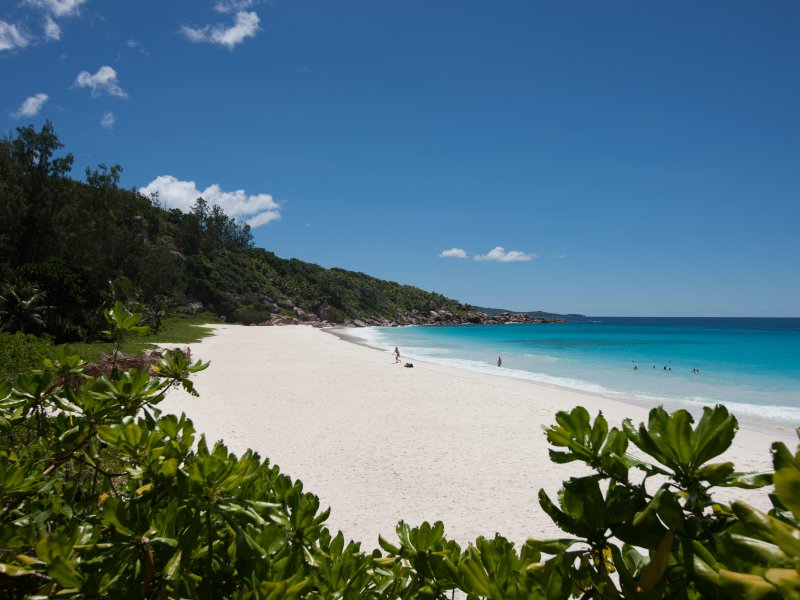
The granite islands create natural bays that protect coral reefs and attract marine life. Water temperatures stay comfortable year-round, and many beaches have calm, shallow areas perfect for first-time snorkelers. But each beach has its own character – some offer easy, sandy entries while others require navigating around rocks for the best views.
This guide covers the beaches where you’ll actually want to spend time snorkeling, not just the ones that look good in photos. I’ll tell you what you’ll see, when to go, and what to watch out for at each spot.
What Makes Seychelles Great for Snorkeling
The water here stays between 27-29°C most of the year, so you can snorkel comfortably without a wetsuit. Visibility ranges from 10 to 30 meters depending on the season and recent weather.
Seychelles sits outside the cyclone belt, which means the reefs haven’t been battered by major storms. You’ll find healthy coral formations and a mix of species you’d normally need to dive deeper to see elsewhere. Granite boulders create natural habitats where fish congregate, and the islands’ protected marine parks have strict regulations that keep ecosystems thriving.
The best part? You don’t need to be an experienced snorkeler. Many beaches have shallow reefs starting just a few meters from shore. Kids and nervous swimmers can stay in waist-deep water and still see plenty of action.
April, May, October, and November typically offer the clearest water. During the southeast monsoon (June to September), some beaches get rougher, but you can usually find a sheltered bay. The northwest monsoon (December to March) brings calmer seas to different beaches, so there’s always somewhere to snorkel.
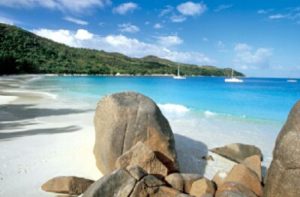
Anse Lazio, Praslin
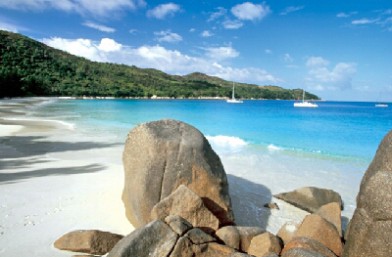
This beach consistently appears on “world’s best” lists, and the snorkeling backs up the hype. The north end of the beach, near the granite boulders, has the most interesting underwater landscape. Go early morning before tour groups arrive – the beach gets packed by 10 AM, and snorkeling is more pleasant when you’re not dodging swimmers.
What You’ll See: Parrotfish, butterflyfish, sergeant majors, and trumpetfish darting between granite rocks. Small coral patches host damselfish and wrasses. You might spot octopus hiding in crevices or small rays gliding over the sand. The fish population is impressive even if coral coverage isn’t as dense as marine parks.
Entry Point and Conditions: Easy sandy entry from the beach. Swim out 20-30 meters to reach the boulder areas on the north end where fish congregate. Water stays relatively calm, though waves pick up during southeast monsoon (June-September). Current can strengthen near the rocks, so stay aware of your position.
Best Time: Early morning (7-9 AM) before crowds arrive. The left side (facing the water) generally has clearer water and less surge. Visibility is best April-May and October-November.
Difficulty: Easy to moderate. Suitable for confident swimmers who can handle mild currents near rocks.
Anse Sévère, La Digue
This is where I send people who want a relaxed snorkeling experience without fighting currents or waves. The beach faces northwest, so it stays protected most of the year. Kids do well here because they can touch bottom while still seeing marine life.
What You’ll See: Small brain corals, sea fans, and consistent fish activity. Damselfish are everywhere. Larger species like emperor angelfish, blue-spotted groupers, and butterflyfish cruise the reef regularly. Schools of blue-striped snappers pass through in the mornings.
Entry Point and Conditions: Sandy beach with easy entry. The reef runs parallel to the shore, starting in shallow water you can stand in. Gentle slope lets you choose your depth. Watch for sea urchins near the rocks – wear water shoes if unsure about footing. Sandy bottom makes it easy to rest when needed.
Best Time: Late morning (9-11 AM) when the sun lights up the reef. Visibility is good year-round unless there’s been heavy rain. High tide gives you more swimming room over the reef.
Difficulty: Beginner-friendly. Perfect for families and first-time snorkelers.
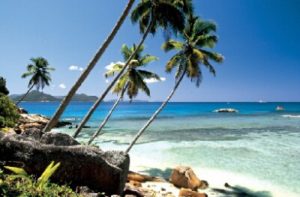
Beau Vallon, Mahé
Beau Vallon is Mahé’s main beach, which means infrastructure and crowds. But the north end, away from the hotels, has a decent reef that most tourists miss. It’s not worth a special trip if you’re on Praslin or La Digue, but it’s convenient if you’re staying in the area.
What You’ll See: Solid variety of reef fish including schools of blue-striped snappers, angelfish, and butterflyfish. The underwater landscape is mostly rocky with patches of coral. You might see a turtle passing through if you’re patient, though they’re not as common here as at marine parks.
Entry Point and Conditions: Easy beach entry at the northern end. Avoid the main swimming area where boats come in. The water can get murky after rain or during rough weather – snorkel only during calm conditions. Rocky sections provide the best fish viewing.
Best Time: Morning (8-10 AM) during calm weather. Avoid after heavy rain when visibility drops. Any tide works, but mid to high tide is more comfortable.
Difficulty: Easy. Calm conditions most of the year make it suitable for beginners.
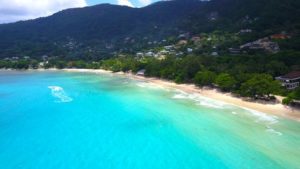
Port Launay Marine Park, Mahé
This is Mahé’s best snorkeling spot, hands down. The marine park protections have created an underwater environment that feels more alive than most beach snorkeling sites. The park ranger sometimes patrols to make sure people aren’t standing on coral or harassing wildlife, which keeps the reef in good shape.
What You’ll See: Hawksbill turtles regularly (not every visit, but often). Impressive coral coverage with table corals and staghorn formations hosting clownfish, damselfish, wrasses, and angelfish. Larger fish like barracuda, trevally, and groupers patrol the deeper sections. The reef feels healthy and active.
Entry Point and Conditions: Straightforward beach entry with the reef starting close to shore. The bay stays calm even when other beaches are choppy. Swim parallel to the beach to explore different sections – each area has slightly different coral structures. Minimal current in most areas.
Best Time: Morning (7-10 AM) offers the best visibility before afternoon clouds. Mid to high tide provides easier swimming over coral formations. April-May and October-November for clearest water.
Difficulty: Easy to moderate. Some areas have mild currents but nothing challenging.
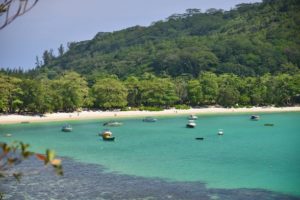
Anse Source d’Argent, La Digue
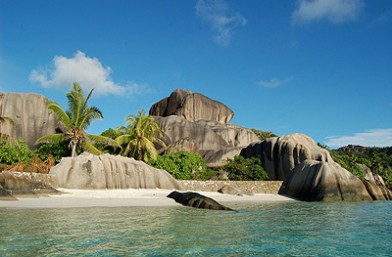
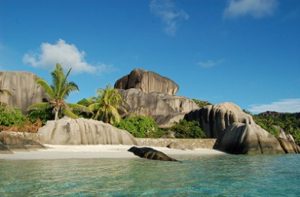
Famous for its granite boulders and shallow turquoise water, this beach is more about scenery than serious snorkeling. It works for young kids or nervous snorkelers who want to practice in safe conditions. The real appeal is exploring the rock formations from the water and swimming between the massive granite boulders.
What You’ll See: Small reef fish hiding around rocks and in seagrass beds – damselfish, wrasses, and juvenile parrotfish. You’ll find small crabs and sea urchins in rock pools. Not a coral reef experience, but interesting enough for beginners who want calm conditions.
Entry Point and Conditions: Very shallow water, often just 1-2 meters deep across large areas. Easy entry from multiple points along the beach. Massive granite boulders create natural swimming channels. Very calm and protected year-round.
Best Time: High tide gives you more swimming room and depth to move around the rocks. Low tide exposes more rocks and limits where you can go. Mid-morning to early afternoon for best light between the boulders.
Difficulty: Beginner. Very shallow and calm – perfect for kids and first-timers.
Côte d’Or (Anse Volbert), Praslin
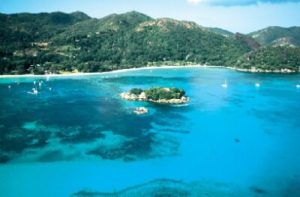
Côte d’Or stretches for about two kilometers, and most of it is mediocre for snorkeling. But the northern end, near the rocks, has a healthy reef that doesn’t get mentioned enough. It attracts snorkelers who’ve done their research, but it’s not overrun.
What You’ll See: Both hard and soft corals with good fish diversity. Typical reef species including parrotfish, angelfish, butterflyfish, and surgeonfish. Occasional surprises like moray eels tucked into rock holes and larger groupers. Schools of fusiliers and snappers cruise the area.
Entry Point and Conditions: Beach entry near the northern rocks. Sandy patches between coral heads are good spots to rest and observe. Currents can pick up, especially during southeast monsoon – stay close to the rocks for protection but be careful not to get pushed into them.
Best Time: Afternoon (1-4 PM) when the sun illuminates the reef from the best angle. Morning isn’t bad, but you’ll see more color and detail later in the day. Mid to high tide recommended.
Difficulty: Moderate. Watch for currents, especially during monsoon season.
Snorkeling Tips for Seychelles
A decent mask and snorkel make a huge difference. Rental gear in Seychelles ranges from acceptable to terrible. If you snorkel regularly, pack your own equipment. Fins aren’t always necessary in calm bays, but they help when swimming against current or covering distance.
Check weather and sea conditions before heading out. Even protected bays can get rough during strong winds. If you see whitecaps or hear waves crashing, pick a different beach or wait for calmer conditions.
Respect the coral and marine life. Don’t touch, stand on, or chase anything. Coral is fragile and takes years to grow back. Fish that seem curious don’t want to be grabbed. Turtles need space to breathe and dive – keep at least 3 meters distance.
The sun reflects off the water and burns you faster than you expect. Reef-safe sunscreen is essential, and a long-sleeve rash guard gives better protection than lotion alone. Most Seychelles marine parks are moving toward stricter sunscreen regulations, so look for mineral-based formulas.
April-May and October-November offer the best visibility, but you can snorkel year-round. During monsoon transitions, seas can be choppy for a few weeks. Ask locals which beaches are calm at the moment – they’ll know better than any guidebook.
Common mistakes: swimming too fast (you’ll miss things and tire yourself out), snorkeling midday when underwater visibility drops, and not checking your entry/exit point before swimming out. Always note landmarks so you can find your way back to where you started.
Quick Practical Info
Getting between islands requires ferry or small plane. The ferry between Mahé and Praslin takes about an hour. La Digue is a short ferry ride from Praslin. Book ferry tickets in advance during peak season.
Snorkel gear rental costs around 10-20 USD per day, depending on location and equipment quality. Hotels usually charge more than beach vendors. If you’re snorkeling multiple days, buying a basic set might cost the same as renting.
Pack your gear in a mesh bag or dry bag: mask, snorkel, fins (optional), reef-safe sunscreen, rash guard, waterproof phone case, and a small towel. Bring drinking water – you’ll get thirsty, and not all beaches have facilities.
For beach access, staying on Praslin or La Digue puts you closest to the best snorkeling. Mahé has options, but you’ll spend more time traveling. Small guesthouses often sit closer to good beaches than big resorts.
Final Thoughts
Seychelles gives you the rare combination of world-class snorkeling from shore and beaches that actually look like the photos. You don’t need to choose between beautiful scenery and good marine life.
Hit at least two or three different beaches during your trip. Each one shows you something different – whether it’s the fish diversity at Port Launay, the easy conditions at Anse Sévère, or the underwater boulders at Anse Lazio.
The best snorkeling happens when you slow down and pay attention. Float quietly near a coral head for a few minutes, and you’ll see behavior you’d miss while swimming past. That’s when you spot the octopus changing colors, or notice the cleaning station where fish line up for maintenance.
The reefs are healthy now because people have protected them. Do your part, and they’ll still be there for the next person.