Understanding Seychelles Cuisine
Creole cooking revolves around what’s available: fresh fish, coconut, rice, and local vegetables. Meals are simple – usually curry or grilled seafood served with rice and a side of lentils or vegetables. Coconut milk appears in almost everything, and spices lean toward mild rather than fiery.
Where to eat: Local takeaways offer the best value and most authentic food. Sit-down restaurants charge 2-3x more for similar dishes. Markets sell fresh ingredients if you’re self-catering. Hotel restaurants are overpriced and often serve watered-down versions of local food.
Expect repetition. After five days, you’ll have tried most of what Seychelles offers. That’s normal – embrace the simplicity and focus on finding the best versions of each dish.
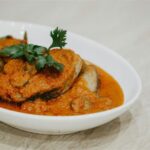
Fish Curry
The most common dish you’ll encounter, and for good reason. Fresh fish cooked in coconut milk with turmeric, ginger, garlic, and local spices. It’s mild, creamy, and served with rice at almost every restaurant.
What makes it good: The fish is caught that morning. Red snapper, grouper, and jobfish are typical. The curry isn’t heavy – it’s light enough to eat in tropical heat.
Where to try it: Marie Antoinette (Mahé) serves it traditional style. Most takeaways on all three islands have solid versions for 80-120 rupees.
Cost: Takeaway 80-150 rupees ($5-10), restaurant 200-350 rupees ($13-23)
Octopus Curry
Similar to fish curry but with octopus that’s been tenderized by beating it against rocks (traditional method) or pressure cooking. The texture is tender, not rubbery, when done right.
Taste profile: Slightly chewier than fish, absorbs the coconut curry flavors beautifully. Usually spiced a bit stronger than fish curry.
What to know: Some places overcook it and the octopus gets tough. Ask locals which spot does it well – it varies by island.
Where to try it: Gala Takeaway (La Digue), Del Place (La Digue), local spots on Praslin near Côte d’Or.
Cost: Similar to fish curry, sometimes 20-30 rupees more.
Grilled Fish
Whole fish grilled over charcoal, served with rice, salad, and Creole sauce (tomato-based with onions and peppers). The simplicity lets the fish flavor shine.
Common fish: Red snapper, parrotfish, trevally, or whatever was caught that day.
Why it’s great: No heavy sauces hiding quality. You taste the ocean. The char from the grill adds perfect flavor.
Where to try it: Beach grills on Beau Vallon (Mahé), any beachfront restaurant on La Digue, Fish Trap Restaurant (La Digue).
Cost: 250-450 rupees ($16-30) depending on fish size and restaurant.
Ladob
A sweet dessert made from ripe bananas (sometimes breadfruit or cassava) cooked in coconut milk with sugar, nutmeg, and vanilla. There’s also a savory version served as a side dish.
Texture: Soft, almost pudding-like bananas in sweet coconut sauce.
When you’ll find it: Guesthouses sometimes serve it at breakfast. Traditional restaurants include it in set menus. Not always on regular menus – ask for it.
Where to try it: Marie Antoinette (Mahé) includes it in their set menu. Homemade versions at guesthouses are often the best.
Cost: 50-80 rupees ($3-5) when available separately.
Shark Chutney (Chatini Requin)
Smoked shark meat mixed with lime juice, bilimbi (local sour fruit), onions, and spices. Served cold as an appetizer or side dish. It’s a delicacy, not an everyday dish.
What it’s like: Tangy, smoky, slightly salty. The texture is flaky. Eaten with bread or rice.
Cultural note: Traditional recipe, usually homemade. You won’t find it at tourist restaurants.
Where to try it: Local guesthouses if you ask in advance, Victoria Market vendors sometimes sell it, very small local restaurants.
Cost: Hard to price – usually part of a set meal or offered free as a starter.
Bat Curry (Fruit Bat)
Traditional dish of fruit bat cooked in curry. It’s controversial due to conservation concerns and potential health risks. Many restaurants have stopped serving it.
Honest take: Skip it. The fruit bat population faces pressure, and there are health concerns about consuming them. Plenty of other curries to try that taste better and don’t involve ethical questions.
If you still want to try: Some very local spots on Mahé might serve it, but it’s increasingly rare and not worth seeking out.
Rougaille
A tomato-based Creole sauce with onions, garlic, ginger, and peppers. It’s the base for many dishes – sausage rougaille, fish rougaille, or octopus rougaille are most common.
Why it’s good: The sauce has depth from slow cooking. Each version tastes different depending on the protein.
Most popular version: Sausage rougaille – local sausages in the tomato sauce, served with rice. Hearty and filling.
Where to try it: Every local takeaway has at least one rougaille option. Les Rochers (Mahé), most Praslin local spots.
Cost: 100-180 rupees ($6-12) at takeaways, double at restaurants.
Breadfruit
A starchy fruit that tastes like potato when cooked. Served fried as chips, baked whole, or added to curries as a filling side.
Texture and taste: Firm, slightly sweet, absorbs flavors well. Fried chips are crispy outside, soft inside.
How it’s served: Usually as a side dish replacing rice or potatoes. Breadfruit chips come with grilled fish sometimes.
Where to find it: Markets sell whole breadfruit if you’re cooking. Restaurants serve it as a side – you might not need to order it specifically, just ask if they have it.
Cost: Side dish, usually included or 30-50 rupees extra.
Coconut Curry (Vegetarian)
For vegetarians struggling in a seafood-heavy cuisine, coconut curry with vegetables is the reliable option. It’s not always on menus, but most places can make it.
What’s in it: Mixed vegetables (eggplant, pumpkin, green beans), coconut milk, curry spices, served with rice and lentils.
Availability: Ask for it even if it’s not listed. Smaller places are often happy to accommodate.
Where to try it: Marie Antoinette offers vegetarian options, Café des Arts (Praslin) has good vegetarian dishes, guesthouses usually accommodate if you ask ahead.
Cost: 120-200 rupees ($8-13), cheaper than fish dishes.
Bouillon Brede
A light vegetable soup made with local greens (moringa leaves, pumpkin leaves), sometimes with fish or pork added. It’s comfort food, usually eaten at lunch.
Taste: Light, slightly bitter from the greens, comforting without being heavy. The broth is clear, not creamy.
When you’ll find it: Lunch specials at local spots, guesthouses, very traditional restaurants. Not a dinner dish.
Where to try it: Local lunch spots in Victoria (Mahé), ask at guesthouses if they make it, Marie Antoinette sometimes includes it.
Cost: 80-120 rupees ($5-8) as part of lunch set.
Drinks & Sides Worth Knowing
Takamaka Rum: Local rum brand, decent quality. Try the white, gold, or spiced varieties. Sold everywhere, costs 150-250 rupees per bottle at shops.
Seybrew: Local lager beer, light and refreshing in the heat. About 35-45 rupees at shops, 60-100 rupees at restaurants.
Fresh coconut water: Sold by vendors at beaches and markets. 25-40 rupees. Hydrating and fresh.
Kat-kat banana: Mashed plantain side dish, slightly sweet. Often served with fish curry.
Fresh tropical juices: Passion fruit, papaya, mango when in season. Better from markets than restaurants.
Where to Eat: Best Spots by Island
Mahé:
- Marie Antoinette – Traditional Creole set menu, touristy but authentic food
- Pirates Arms – Good seafood, fair prices
- Victoria Market area – Multiple takeaways, local prices
- Takeaway near Beau Vallon – Ask locals which one is best that week
Praslin:
- Café des Arts – Upscale but excellent quality
- Pirogue Restaurant – Beachfront, good grilled fish
- Local takeaways near Côte d’Or – Cheaper, authentic
La Digue:
- Fish Trap Restaurant – Reliable seafood
- Gala Takeaway – Best local food, great prices
- Del Place – Beachfront, good octopus curry
Budget tip: Eat lunch at takeaways (80-150 rupees) and save restaurant dinners for once or twice. You’ll eat the same food for half the price.
Practical Eating Tips
- Portions are huge – one main dish plus rice is plenty
- Spice levels are mild – if you want heat, ask for extra pepper sauce on the side
- Lunch specials (11 AM-2 PM) offer best value at restaurants
- Breakfast is simple – bread, jam, fruit, coffee. Don’t expect variety.
- Reservations only needed at popular dinner spots (Marie Antoinette, Café des Arts)
- Tipping is 10% if service isn’t included, optional at takeaways
- Food safety is generally good – trust your gut but local spots are usually fine
Best time to eat: Lunch at takeaways for authentic local experience and value. Dinner at nicer restaurants if you want ambiance.
What to Skip
Hotel buffets: Overpriced and generic. The “Creole night” buffets charge $40+ for food you can get better and cheaper elsewhere.
Tourist trap beachfront restaurants: If the menu is in five languages and has photos, you’re paying double for average food.
Bat curry: For conservation and health reasons, just skip it.
When to cook yourself: If you’re staying more than 5 days, self-cater some meals to save money and add variety. Markets have fresh fish, vegetables, and basics.
Final Thoughts
Seychelles food won’t blow your mind with variety, but it will satisfy you with freshness and flavor. The limited menu means you focus on finding the best fish curry, the perfect grilled snapper, and the takeaway spot locals actually eat at.
Try at least five of these dishes. Mix cheap takeaway lunches with a few nice restaurant dinners. Buy fresh fish at the market and grill it at your guesthouse if you have a kitchen. The food is simple because it doesn’t need to be complicated – when the fish was swimming that morning and the coconut was picked yesterday, you don’t need fancy techniques.
Eat where locals eat, ask for recommendations, and embrace the repetition. By day three, you’ll have your favorite curry spot figured out.