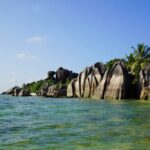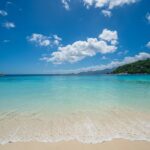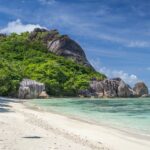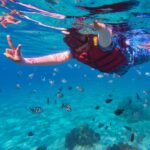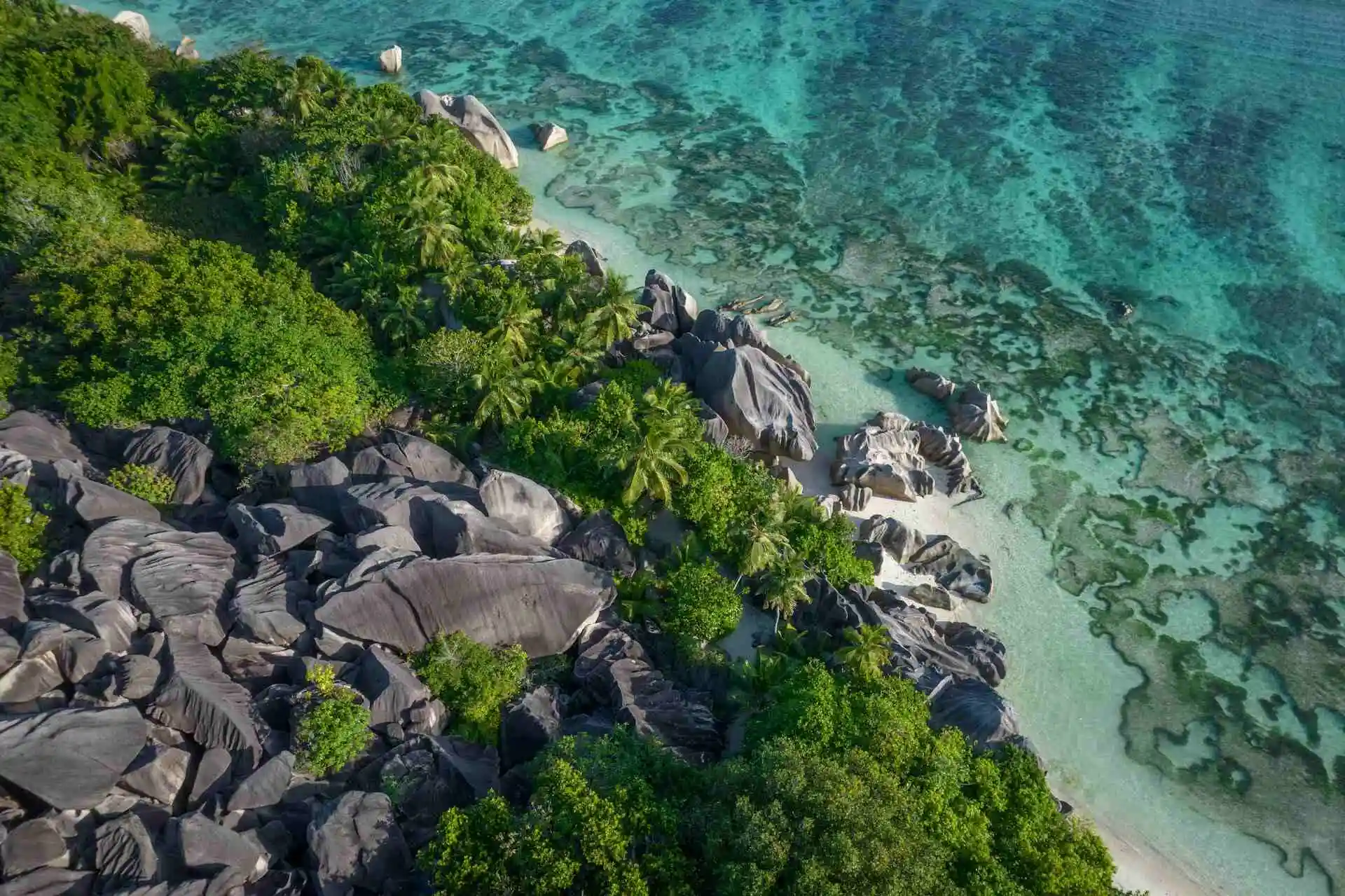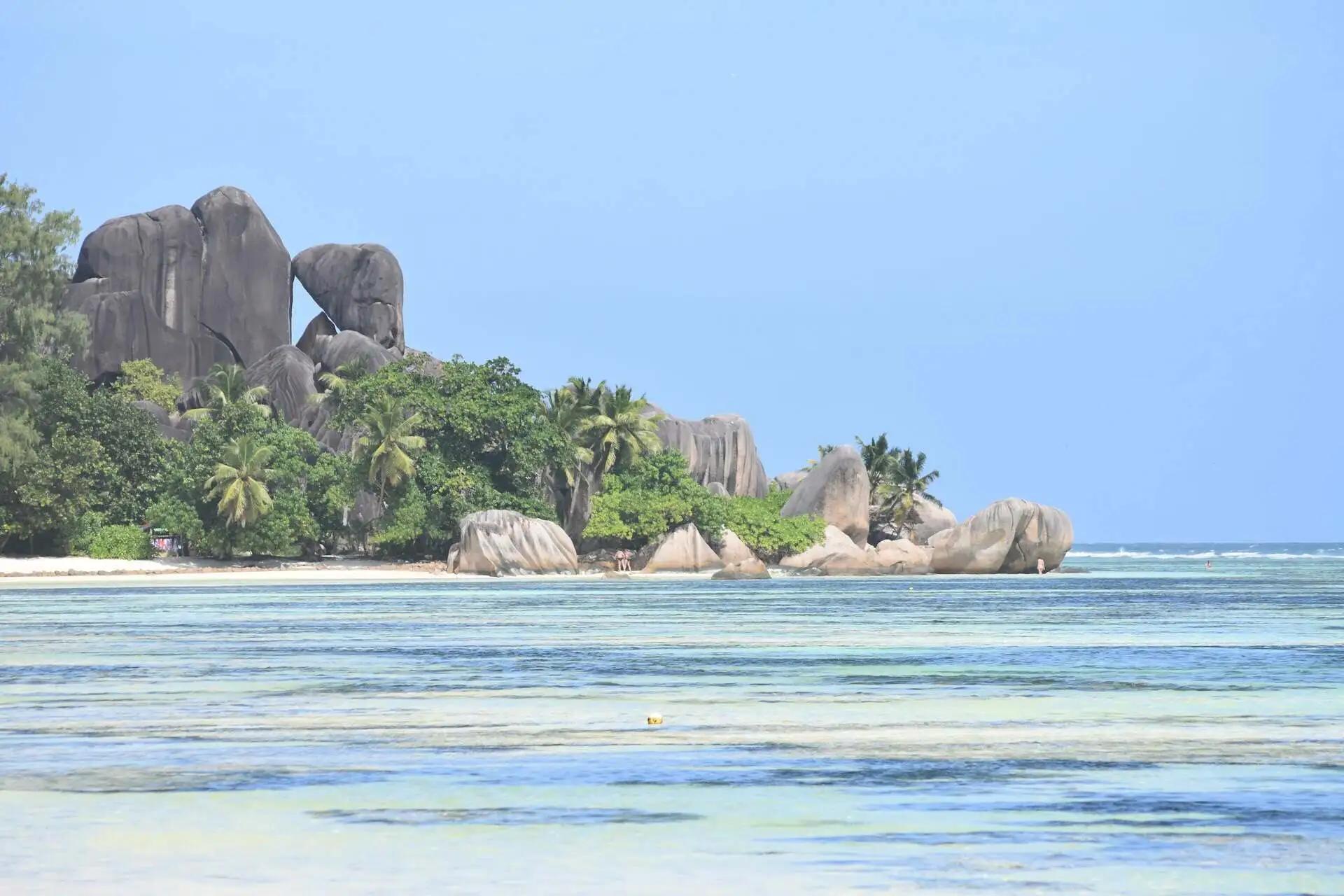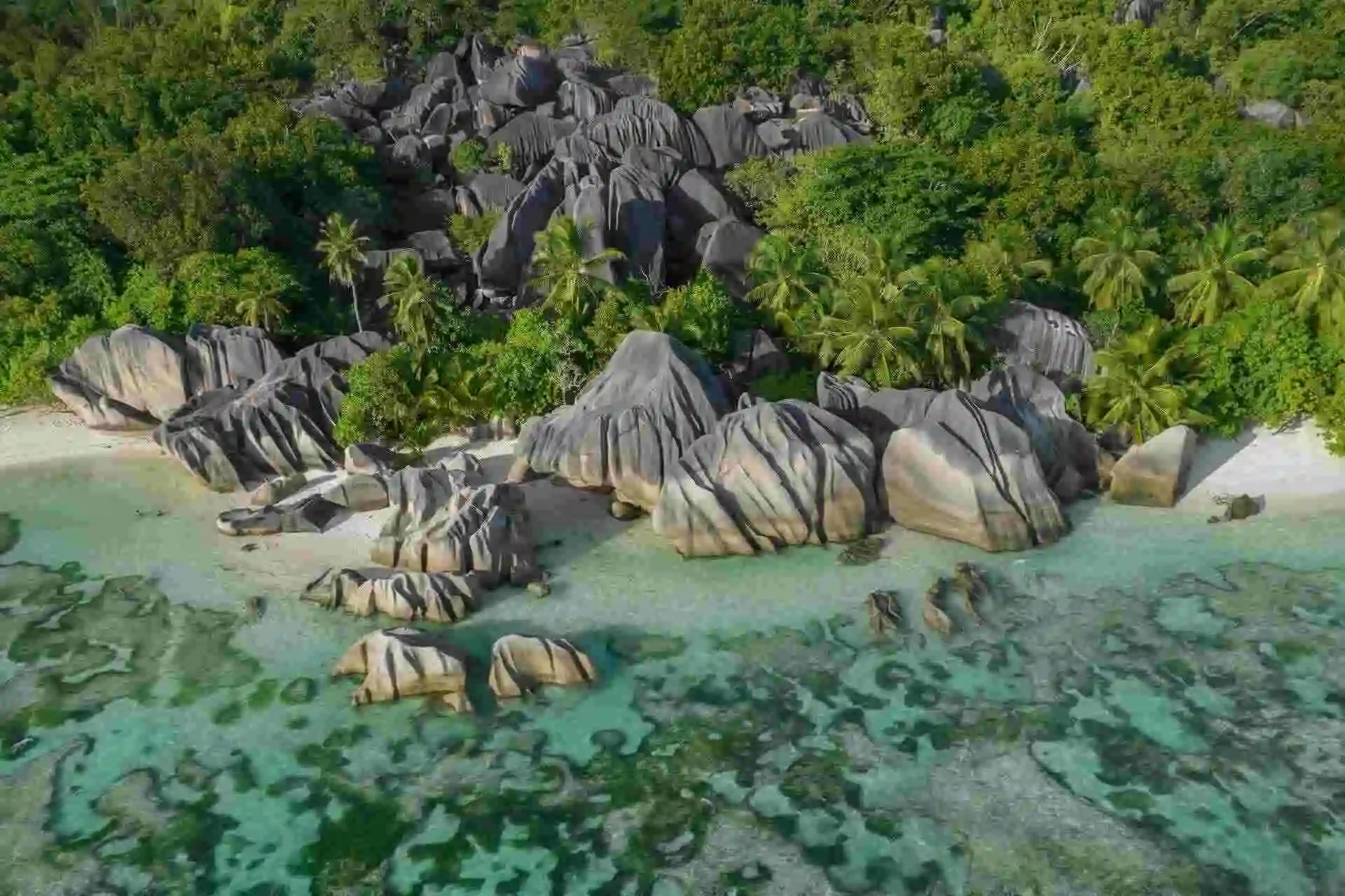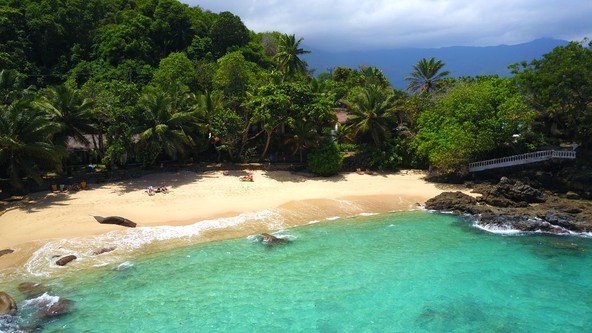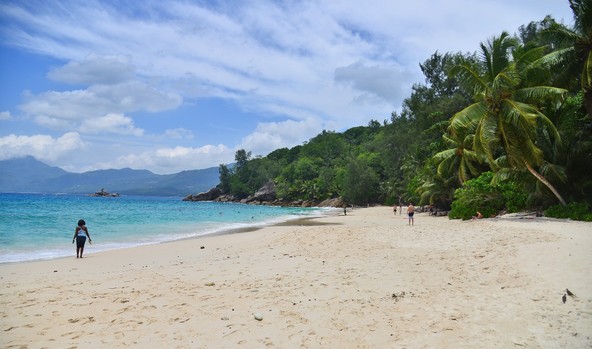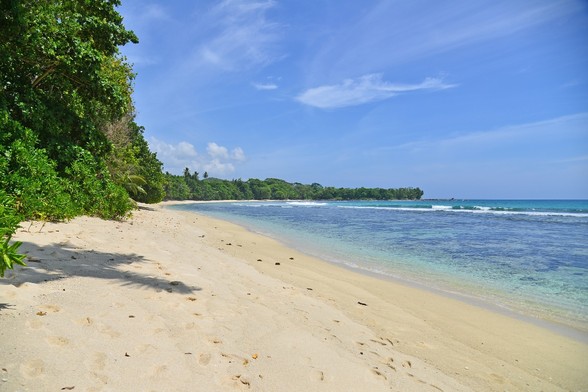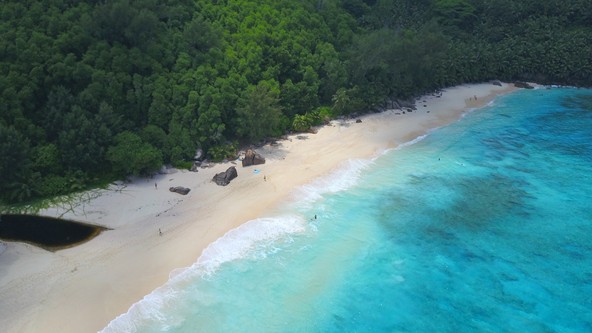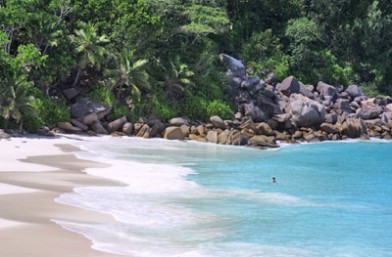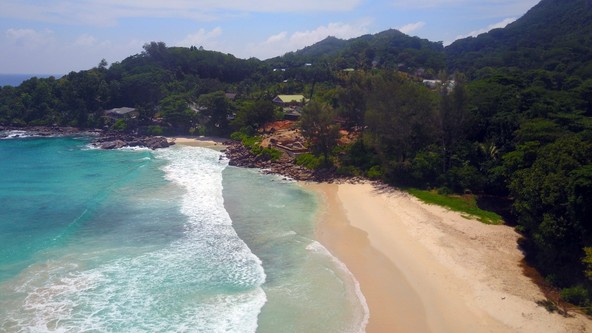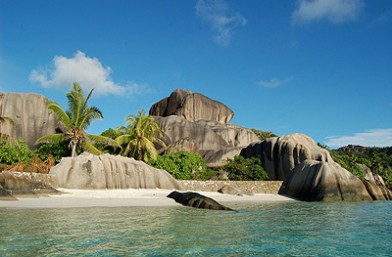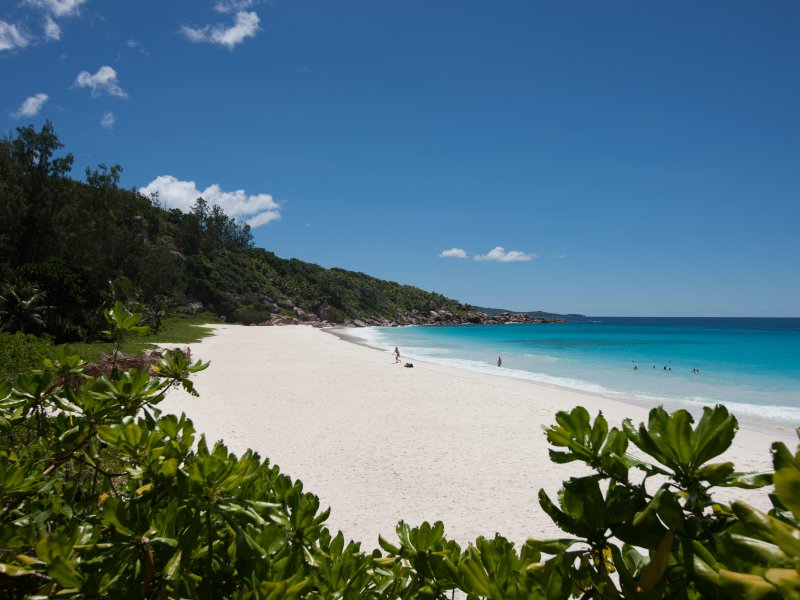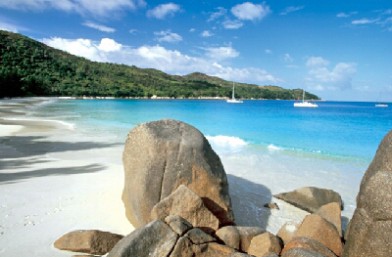
Baie Ternay Marine Park, Mahé
Baie Ternay sits inside one of the most protected marine areas on Mahé, and that protection makes a real difference underwater. The reef slopes gently from about five meters down to fifteen, which means you have room to adjust without suddenly finding yourself deeper than you intended.
Currents here are mild during the calmer months, and visibility regularly reaches twenty meters or more. The marine life is abundant without being overwhelming — parrotfish and angelfish are everywhere, and hawksbill turtles pass through often enough that your chances of seeing one are genuinely good.
For a first or second open water dive, it is hard to find a better starting point on the island.
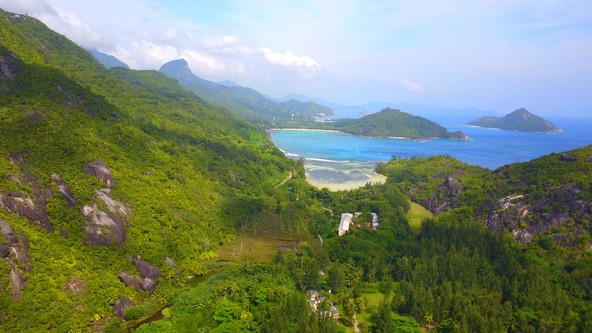
Coral Garden, Sainte Anne Marine Park, Mahé
Sainte Anne Marine Park sits just off the coast of Mahé and the Coral Garden site inside it is one of the most popular spots for discover scuba dives. The reef is shallow, rarely going beyond ten meters, and the coral itself is colorful and easy to navigate around.
What makes it particularly good for complete beginners is how unthreatening the whole experience feels. The fish are curious and friendly, the terrain is simple, and the boat ride from Victoria is short. Families who want to try diving together often end up here, and it works well for that kind of group.
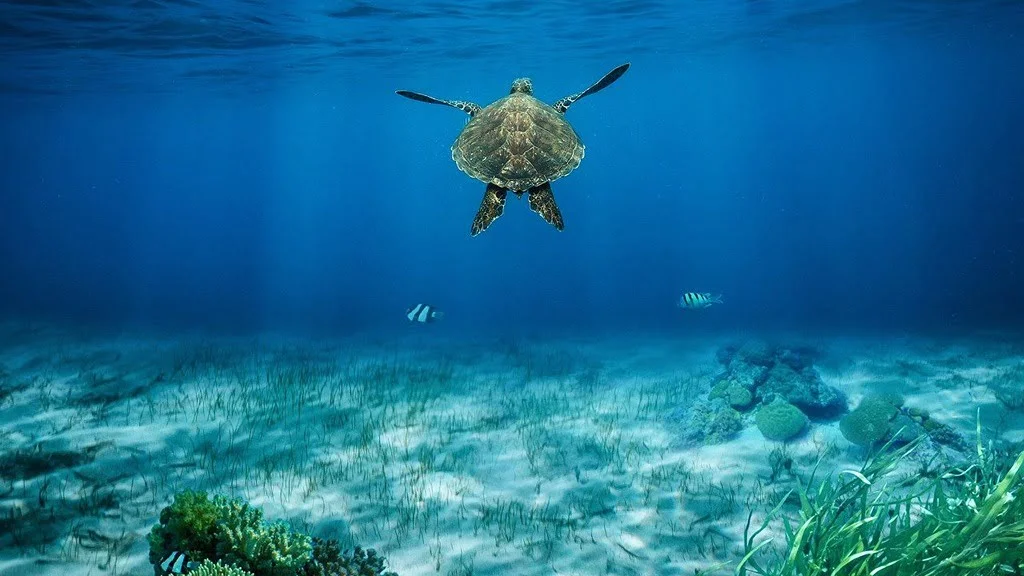
L’Ilot, Mahé
L’Ilot is a small island site with sandy patches between sections of coral reef. Dive schools use it regularly for training because the layout is straightforward and the depth stays comfortable, usually between six and ten meters.
There is nothing complicated about this site, which is exactly the point. When you are learning to control your buoyancy or getting used to breathing through a regulator, the last thing you need is a challenging environment. L’Ilot gives you calm conditions and simple surroundings so you can focus on the basics.
Fisherman’s Cove Reef, Mahé
Located near Beau Vallon, this reef is a short boat ride from the beach and a common choice for training dives. The structure is calm and manageable, with moray eels tucked into crevices, reef fish moving in and out of the coral, and occasional rays crossing the sandy bottom.
Depth sits between eight and sixteen meters. Nothing about this site will surprise a nervous beginner, and that predictability is genuinely valuable when you are still figuring out how the whole thing works.
Anse Major, Mahé
Anse Major is known for clear water and easy navigation. The depth ranges from five to twelve meters and the underwater landscape is open enough that you never feel enclosed or disoriented.
It is a good site for beginners who want comfortable visibility and a relaxed pace. Not the most dramatic location on this list, but reliable and well suited to people who are still getting their bearings.
St. Pierre Islet, Praslin
St. Pierre is a small rocky islet near Praslin surrounded by a circular coral reef. The layout makes it almost impossible to lose your bearings – you follow the reef around the islet and surface back where you started.
Depth ranges from five to fifteen meters and the marine life is active without being intimidating. Butterflyfish, snapper, schools of reef fish, and the occasional turtle are regular sightings. If you are staying on Praslin, this will likely be your introduction to diving in Seychelles, and it is a good one.
Anse La Blague, Praslin
Anse La Blague is a sheltered bay that stays calm even when other sites around Praslin are getting choppy. The sandy bottom and scattered coral heads make for gentle, unhurried diving.
It is particularly well suited to nervous beginners. The depth sits between six and fourteen meters, shallow enough that you always feel in control. If you are someone who is excited about the idea of diving but genuinely anxious about the reality of it, this is the site to ask your dive center about.
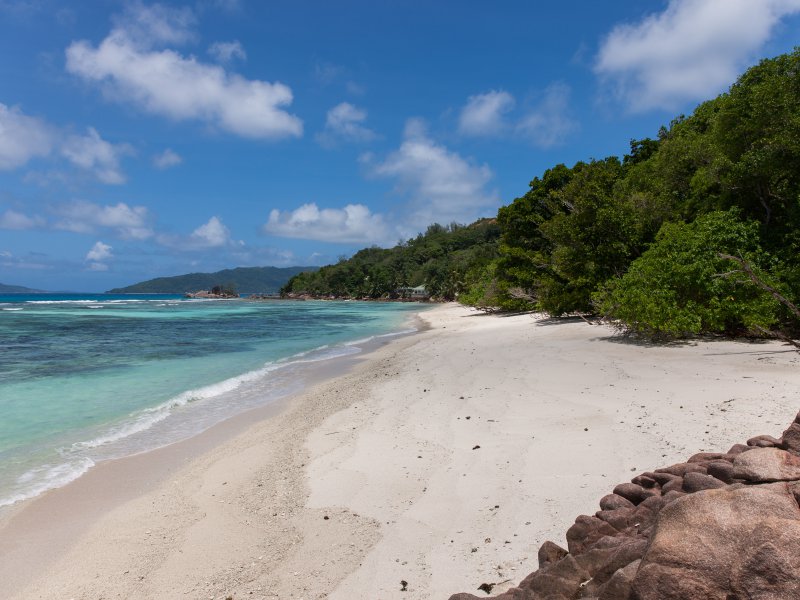
Ave Maria Rock, Praslin
Ave Maria is where Seychelles diving starts to feel a little more dramatic. Granite boulders sit stacked on the ocean floor, creating swim-through passages and interesting formations that look like something from a different world. Depth ranges from eight to eighteen meters.
On a calm day this site is absolutely accessible for a confident beginner. The key phrase there is calm day. The scenery rewards you for waiting for the right conditions, and your dive center will be honest with you about when those conditions have arrived.
Channel Rock, La Digue
Channel Rock is a step up from the gentler sites on this list, and a good one to aim for once you have a few dives behind you. The reef slopes through moderate depth and white-tip reef sharks are sometimes spotted resting near the bottom. They are slow, calm animals and completely uninterested in divers, but seeing one on your fourth or fifth dive is the kind of moment you will talk about for a while.
Depth runs between twelve and eighteen meters. Dive centers will assess conditions before taking beginner groups here, so trust their judgment on timing.
South Marianne, Praslin
South Marianne is best suited to beginners who are starting to feel genuinely comfortable underwater rather than those on their very first dive. The reef structures are dramatic, visibility during the transition months can be exceptional, and the marine life includes rays, reef sharks, and occasionally larger pelagic fish.
Depth sits between fifteen and eighteen meters. It is only appropriate on calm days, and your instructor will let you know honestly whether conditions are right. For a diver who has built some confidence over a week in Seychelles, this is a rewarding final dive before heading home.
When to Go
April, May, October and November are generally the best months for beginner diving in Seychelles. Seas are calmer, currents are lighter, and visibility tends to be at its clearest, often reaching twenty to thirty meters at the better sites.
Between December and March the water is slightly warmer and west-facing sites tend to stay calm, though visibility can drop a little compared to the transition months. June through September brings southeast winds that create choppier surface conditions. Dive centers will steer beginners toward sheltered sites during this period, so you will still get in the water, just at different locations.
Water temperature stays between 26 and 29 degrees Celsius throughout the year, so a light wetsuit or a rash guard is all you need.
What You Will See
Even on your first dive, the marine life in Seychelles can genuinely surprise you. Hawksbill turtles are a realistic expectation at most reef sites, not a lucky sighting. Green turtles appear around Praslin. White-tip reef sharks rest near the reef at Channel Rock and Shark Bank. Eagle rays pass through at some of the deeper sites. Moray eels are in almost every reef crevice if you look carefully, and octopus hide in plain sight once you learn what to look for.
The diving here is not about chasing big animals in strong currents. It is about spending time on healthy reefs with reliable marine life, and doing it in conditions comfortable enough that you can actually enjoy it.
What Things Cost
Prices vary between islands and operators, but as a general guide: a Discover Scuba Diving program runs between 90 and 150 USD, a full PADI Open Water certification course is typically between 450 and 650 USD, and a single fun dive for certified divers costs around 70 to 100 USD.
Most dive centers include equipment in those prices. It is worth asking when you book.
A Few Things Worth Knowing Before You Go
Dive with a licensed operator. Seychelles has experienced, professional dive schools and there is no reason to cut corners on this.
Be honest about your health during the medical questionnaire. Conditions like asthma, ear problems, or recent illness can genuinely affect your safety underwater, and your instructor needs accurate information to look after you properly.
Listen carefully during the briefing. It covers things that matter – equalization, hand signals, what to do if you get separated. First-time divers who pay attention during briefings have better dives.
And go slowly. Underwater everything is more interesting when you are not rushing past it.
Final Thoughts
Seychelles is one of those places where the underwater world is as good as the one above it, which is saying something. Warm water, short boat rides, protected reefs, and marine life that does not require extreme conditions to find — it is a genuinely comfortable place to start diving or to build on early experience.
Pick the right site for your level, choose the right season if you have flexibility, and trust the instructors. The rest takes care of itself.
If you are ready to book, most dive centers on Mahé, Praslin and La Digue can be contacted directly or through your accommodation. April and October are filling up faster each year, so earlier is better if those months work for your trip.