Book Ferry Seats Before Leaving Home – Peak Season Fills Days in Advance
Inter-island transport runs on fixed schedules with hard capacity limits. The ferry from Mahé to Praslin takes roughly one hour. Praslin to La Digue is 15 minutes. Both sound manageable until peak season between December and April arrives – seats fill days in advance and last-minute alternatives cost two to three times the standard fare.
Seats on Praslin routes fill faster than most travelers expect because the island draws disproportionate demand relative to its size. Domestic flights on Air Seychelles to outer islands are tighter still. Book everything before leaving home – not as good practice but as a hard requirement.
- Mahé to Praslin ferry – approximately EUR 60 to 80 one-way
- Praslin to La Digue ferry – roughly EUR 15 to 25 one-way
- Outer island domestic flights – around EUR 120 to 200 one-way
All figures are approximate and shift by season and operator.
Touching Coral or Removing Shells Is Illegal and Actively Fined
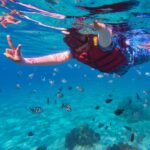
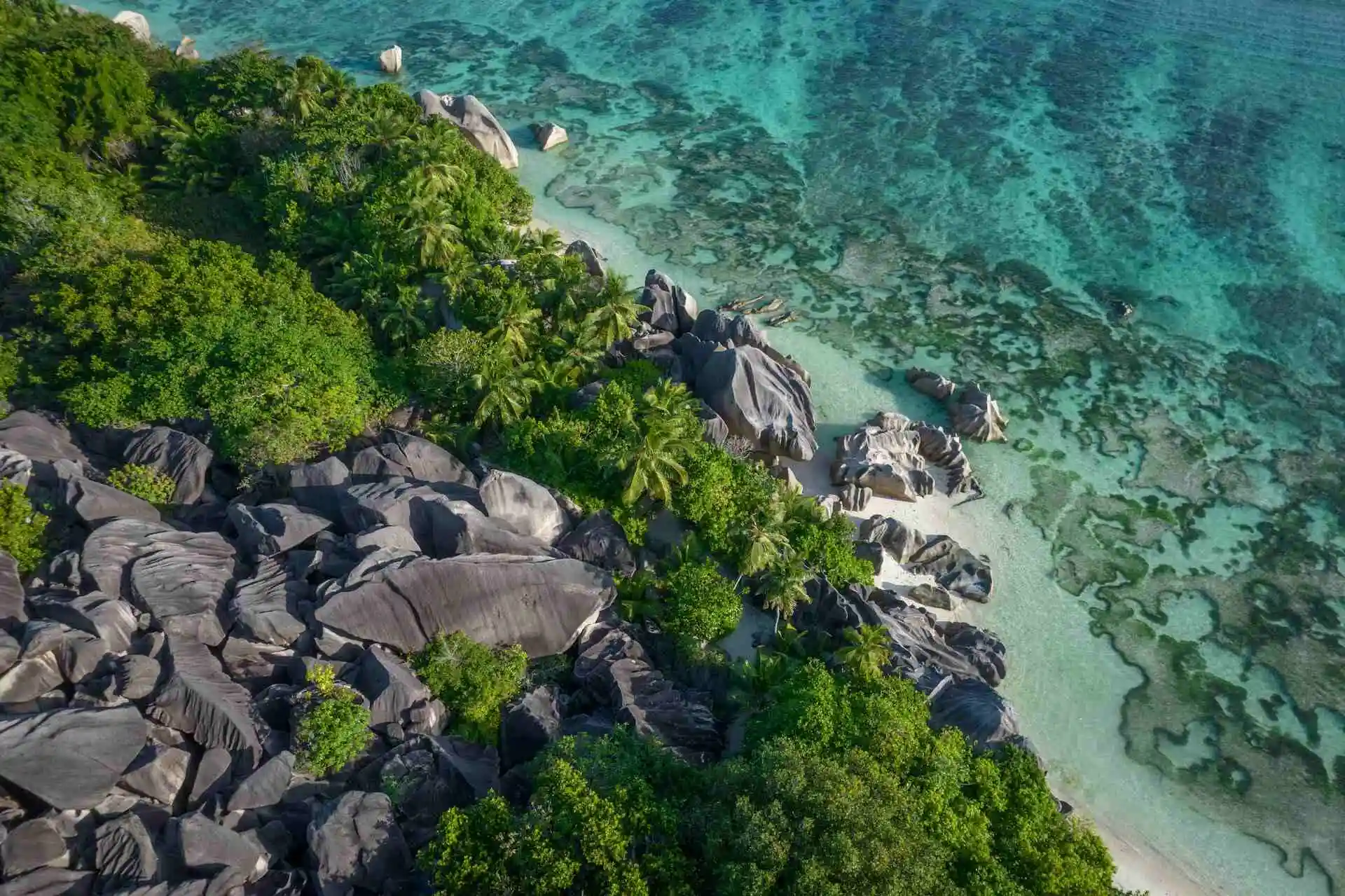
Marine park authorities patrol popular snorkeling and diving sites across the islands. Standing on reef structures, touching coral, and removing any marine material – shells, sand, sea glass – carries enforceable fines under Seychellois conservation law. Ignorance is not accepted as a defense when fines are issued on the water.
Standard sunscreen is a separate problem. Formulations containing oxybenzone cause direct chemical damage to shallow reef ecosystems. Several operators now prohibit their use as a boarding condition – not as a polite request. Mineral-based zinc oxide alternatives are available at pharmacies in Victoria and at most resort shops. Buying before arrival is simpler than searching on the first morning.
West Coast Calm, East Coast Rough – This Pattern Flips Completely Mid-Year
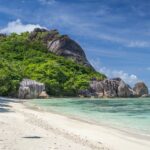
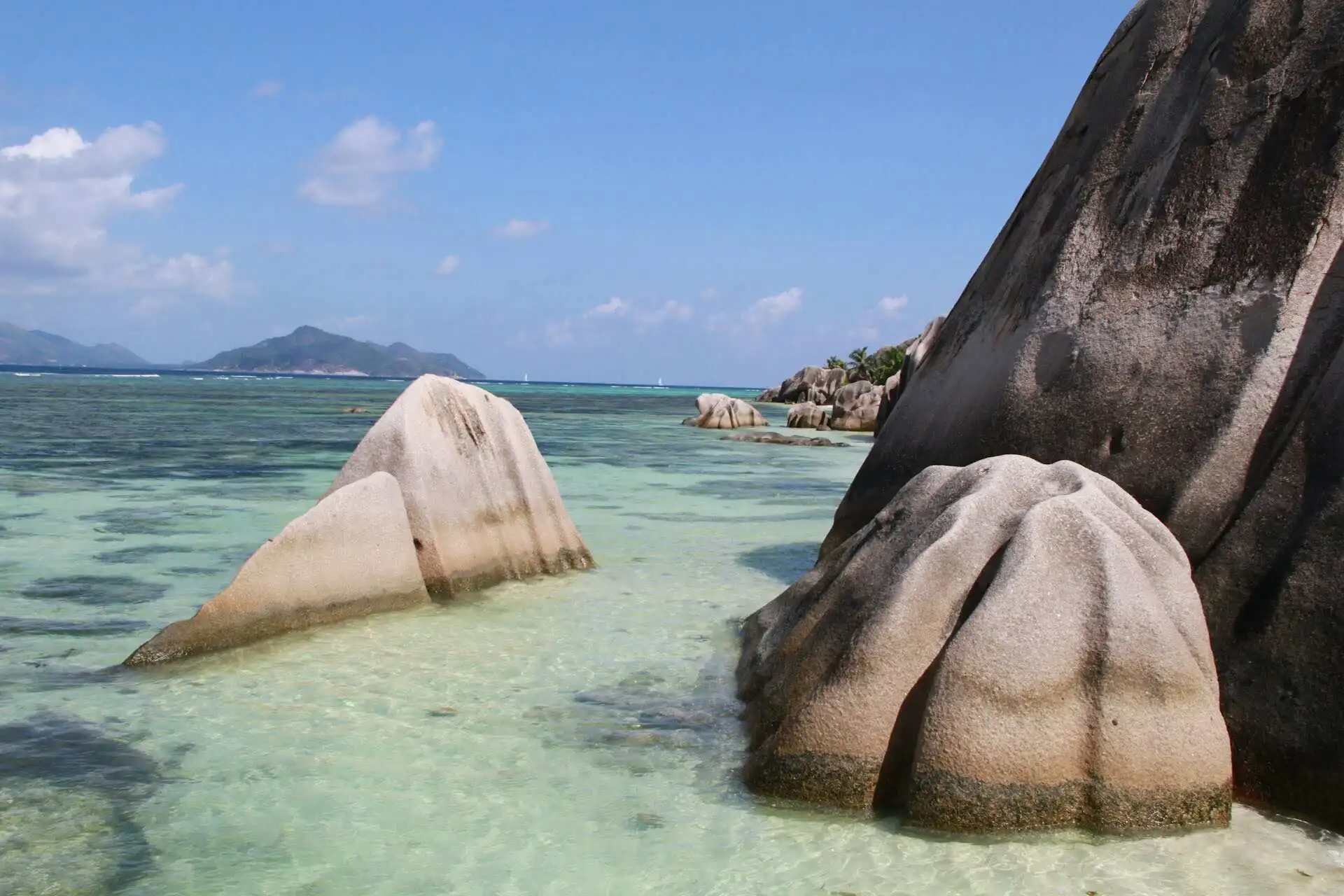
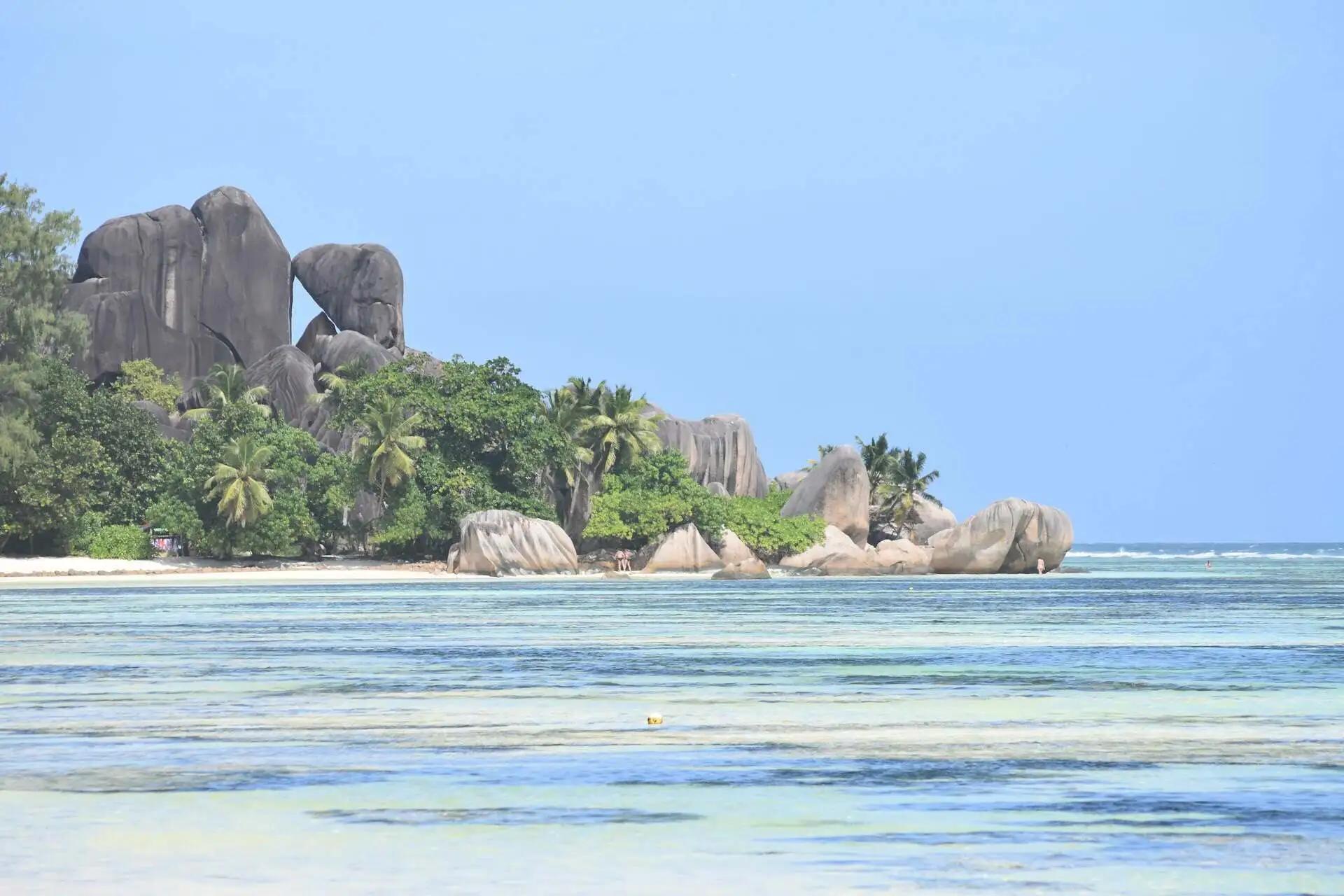
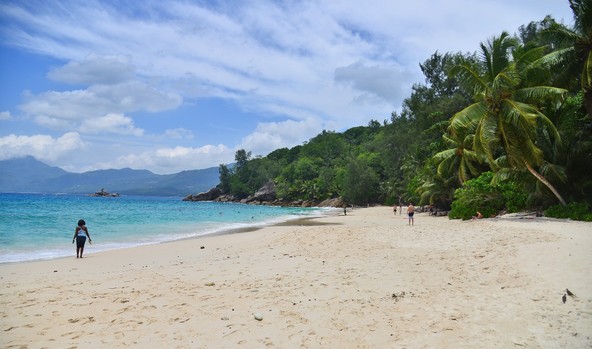
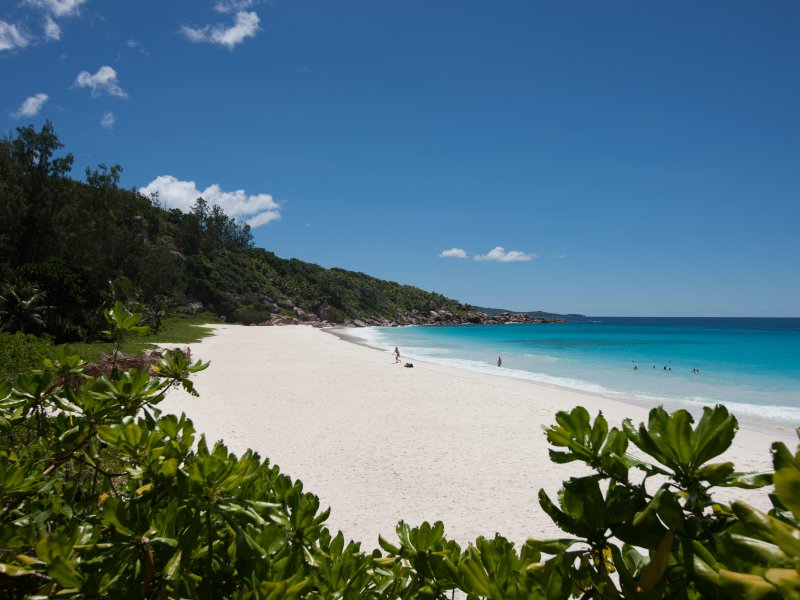
Ocean conditions follow the monsoon cycle precisely. The northwest monsoon from November to April keeps western coastlines calm while eastern shores face stronger swell. From May to October the pattern reverses completely. Anse Source d’Argent on La Digue – one of the most photographed beaches on the planet – carries dangerous undertows during exposed months that give no surface warning.
Warning flags on beaches are not overcautious. No lifeguards patrol most of the coastline. Drownings happen every season and consistently involve travelers who entered flagged water assuming the warning did not apply to them. Ask your accommodation about current beach conditions every morning before visiting somewhere unfamiliar.
Feeding or Handling Protected Wildlife Leads to Legal Trouble
Hawksbill and Green Sea Turtles nest on Bird Island and Cousine Island. Approaching nesting females, using flash photography near nests, or physically blocking a turtle returning to water is strictly prohibited under Seychellois law. The instinct to help a disoriented turtle is understandable. It is still illegal interference and treated as such.
Aldabra Giant Tortoises across Curieuse and Fregate islands are equally protected. Their slow reproductive rate – typically one clutch per season with low hatchling survival – means populations recover poorly from repeated stress. Feeding them, sitting on them for a photograph, or handling them without ranger supervision results in more than a warning. Rangers on protected islands enforce these rules without exception.
Swimwear in Town Is Noticed – and Remembered
Victoria on Mahé is a working capital where people live, shop, and run businesses. Walking through its market in swimwear is not a legal offense. It signals a specific kind of tourist indifference that locals notice immediately and do not forget quickly. Covering shoulders and knees costs nothing and changes how people interact with you – the difference is noticeable within a single conversation.
Loud music in residential areas across La Digue and Praslin creates genuine resentment among locals and other guests. The quietness of these islands is deliberate – it is a large part of what visitors pay significant money to experience. Disrupting it follows a traveler’s reputation through a small island community faster than expected.
Budget at Least 40 Percent More Than You Think
Seychelles does not feel expensive in one large obvious way. It feels expensive in the way that costs appear at every turn – ferry tickets, activity fees, restaurant bills, car hire – and accumulate faster than most travelers anticipate.
- Mid-range guesthouse – approximately EUR 120 to 250 per night
- Resort stay – around EUR 400 to 900 per night
- Private island property – roughly EUR 1,500 and above per night
- Guided snorkeling tour – approximately EUR 70 to 150 per person
- Car rental on Mahé – around EUR 40 to 70 per day
All figures are approximate and vary by season and operator. Self-catering accommodation and the public bus network on Mahé reduce daily spend meaningfully. Local Creole restaurants cost a fraction of resort dining and are consistently better food. The travelers who enjoy Seychelles most are those who budgeted honestly – not optimistically.
Your Visitor Permit Must Stay With Your Passport the Entire Trip
A Visitor Permit is issued on arrival and must remain with your passport throughout the stay. Extensions are processed through the Immigration Department in Victoria and must be applied for before the current permit expires – not after. Overstaying carries fines and future entry bans, both enforced consistently and neither negotiable on the spot.
This is the most administratively simple requirement on the entire list. It only becomes a problem when travelers forget it exists – which, during a relaxed island holiday with no fixed daily schedule, happens more often than immigration authorities would like.